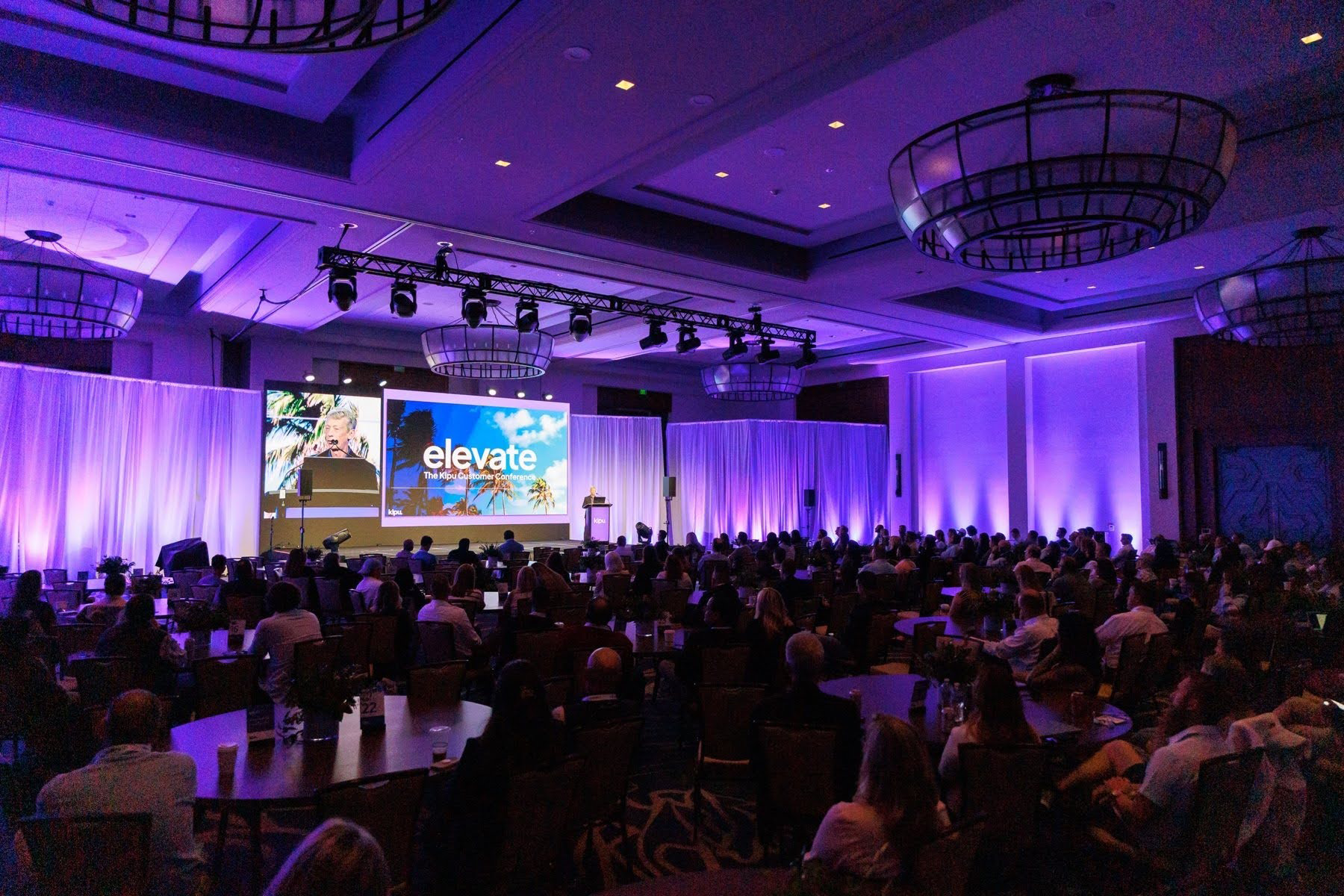
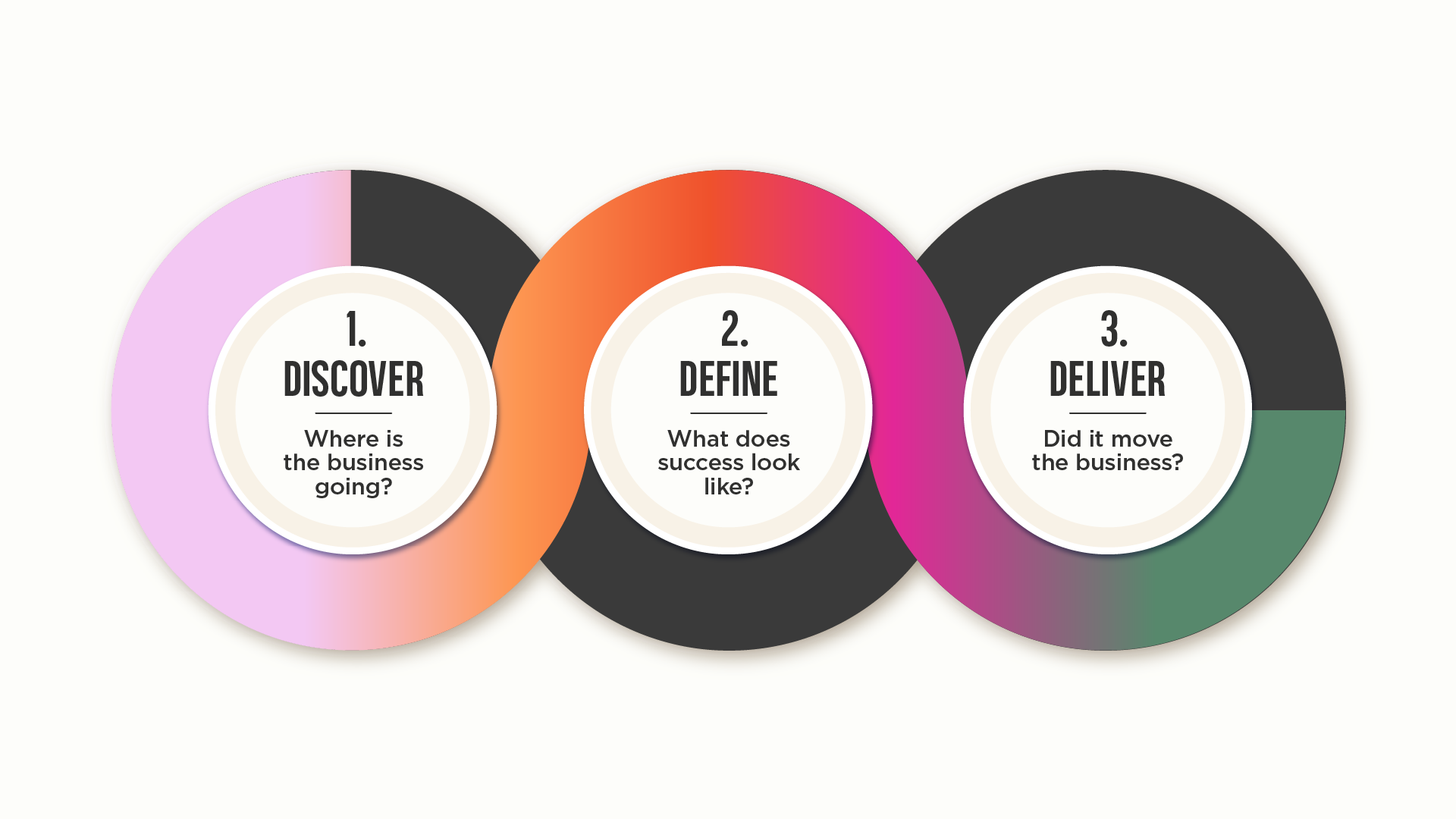
Events can be powerful drivers of business growth when they're strategically aligned with your goals. Too often, companies invest significant resources into events without a clear connection to their broader business goals, resulting in experiences that fail to deliver meaningful impact. At EES, we call our approach Events as a Business Strategy (EBS™): instead of asking how an existing event supports your goals, we design events that intentionally serve them. Here's how to build an event strategy that delivers real business value.
The biggest mistake in event planning is starting with the event itself. Before booking a venue or putting together an agenda, you need to be clear on what you're trying to achieve as a business.
Are you trying to increase revenue by a specific percentage this year? Do you want to improve customer retention? Break into a new market? Launch a product? Each of these goals requires a different event approach.
Once you've solidified your business goals, translate them into specific, measurable event objectives. Skip vague aspirations and set objectives like generating qualified leads, securing demos, or booking meetings. The most effective event objectives clearly connect what happens at the event to measurable business results.
The most effective way to achieve your business goals through events is to start by understanding and prioritizing what your attendees are looking for. What do they need to learn? What problems are they trying to solve? What would make this event worth their time and travel? When you deliver genuine value to attendees, they're more likely to engage with your content, leave with a positive impression of your brand, and take the actions you want.
This means not turning your event into a prolonged sales pitch. Instead, prioritize education, meaningful connections, and insights attendees can't find anywhere else. When people walk away with a genuinely valuable experience, the business results you're looking for are far more likely to follow. The same is true for internal events, as we explore in Employee Engagement Through Events: What Actually Works.
Different event formats serve different strategic goals. A multi-day conference allows for deeper education and meaningful relationship building, while a webinar reaches a wide audience at scale. A VIP dinner, on the other hand, creates an intimate, high-touch environment ideal for key accounts. Hybrid and pop-up experiences are also great ways to engage audiences. Consider your audience size, budget, and objectives when choosing the event format, and explore our services to see how we bring each one to life.
Build a content mix of industry trends, how-to sessions, customer success stories, and a strategic vision for the future. The best event content gets attendees to view their challenges and opportunities in a whole new way.
Invite industry experts to share the stage with your team. It adds credibility to your event, expands the conversation beyond your company, and makes your event feel less promotional and more like an industry gathering.
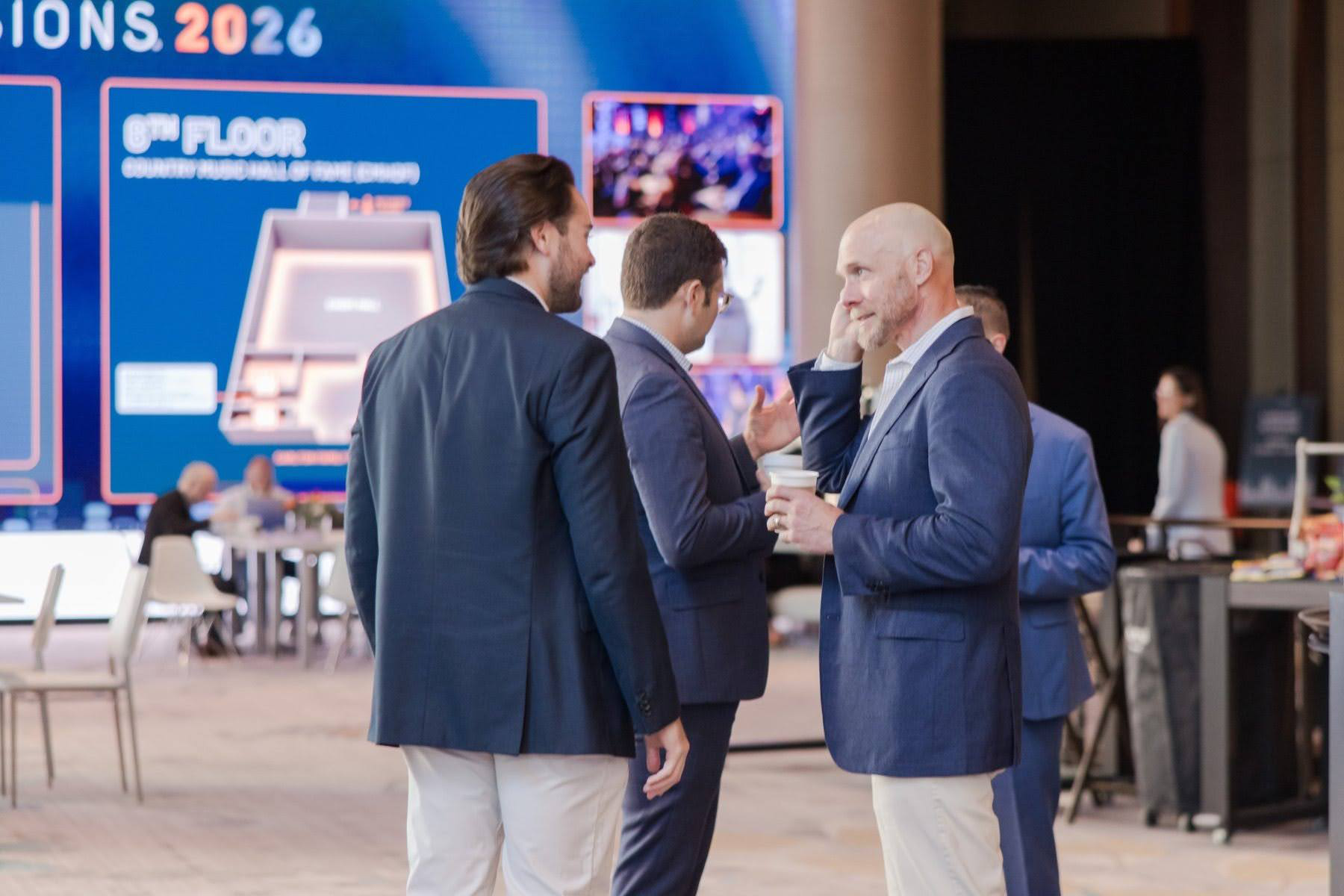
Some of the most valuable outcomes from events happen in the hallways and over coffee, not during formal sessions. Organize networking opportunities like roundtable discussions, breakout sessions, or facilitated meetups. Keep in mind that networking is often a key reason people attend. Facilitating connections is a great way to boost attendee satisfaction and get people excited for your next event. Use event apps to help attendees identify relevant connections before the event.
A successful event means every department involved in the planning needs to be in sync. Each department should clearly understand how the event drives business goals and what specific role they play in making it a success. Hold pre-event meetings so individuals and departments know their roles and responsibilities, and establish metrics for success.
Your event strategy doesn't end when the event does. In fact, you often see the real business impact in the days and weeks that follow. Develop a comprehensive follow-up plan or post event survey, and ask questions like: How quickly will leads be contacted? What personalized content will you send based on session attendance? How will you nurture relationships with prospects who aren't ready yet? How will you keep momentum going with customers?
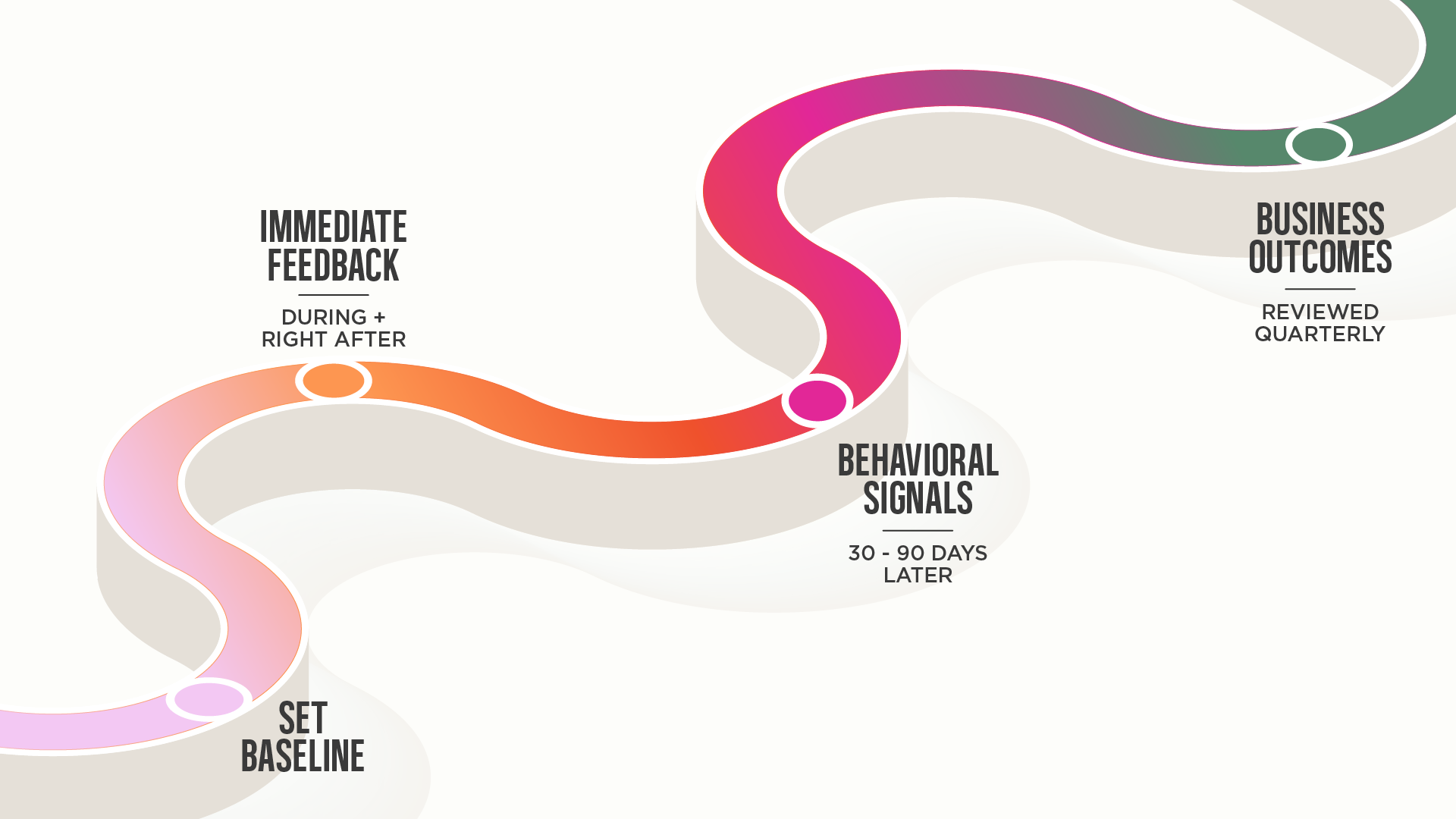
Attendee count and social media impressions are easy to measure, but they don't tell you if your event supported your overall business goals. Create a measurement framework that connects event metrics directly to your business outcomes, and set a baseline before the event so you have something to measure against.
At EES, we track impact across three tiers: immediate feedback during and right after the event, behavioral signals 30 to 90 days later, and business outcomes like retention, account growth, and revenue, reviewed quarterly. Together, they show both how the event landed and whether it moved the business.
Survey attendees to gauge their satisfaction, event engagement, and likelihood of taking the next step. The insights you gather will make your next event even more effective.
Events are significant investments of time, money, and energy. They deserve to be treated as strategic initiatives rather than tactical executions. Start with your business goals, design experiences that put attendees first, and track the metrics that matter for your bottom line. With this approach, you can create an event strategy that drives real business impact while designing experiences that make people excited about attending.
If you're looking for a strategic event team with the mindset and a flair for the extraordinary, EES designs high-impact moments that attendees remember. From immersive meetings and luxe incentive trips to global festivals and standout brand activations, we bring bold ideas to life with precision and sophistication, guided by EBS™ so every experience is built to move your business forward.
Through exclusive vendor partnerships and a custom production approach, every detail is tailored to what your company needs. Where others plan events, we create experiences people can't stop talking about. Let's make something unforgettable.
We serve clients in New York, Los Angeles, Chicago, Houston, Phoenix, nationwide, and globally.
When events are tied to business goals, every aspect, from format to content to follow-up, supports measurable outcomes. This ensures your investment drives ROI, strengthens your brand, and advances key initiatives.
An event strategy is a plan that connects your events to specific business goals. It defines why you're hosting an event, who it's for, what it needs to achieve, and how you'll measure success, before any logistics are decided.
Set a baseline before the event, then measure in three tiers: immediate feedback during and right after the event, behavioral signals 30 to 90 days later, and business outcomes like retention, account growth, and revenue, reviewed quarterly.
Strategy First: Every decision supports your business objectives—not just the event experience.
Metrics That Matter: We define success upfront and provide the data to prove it.
Long-Term Momentum: We design events to create value well beyond the event itself.
True Partnership: We become an extension of your team — your culture, your goals, your voice.
A Partner Who Comes Prepared: More than planners, we're strategic advisors who bring ideas, guide decisions, and keep stakeholders aligned.
Two ways to work with us.
Singular Events: One high-stakes moment — a product launch, leadership summit, annual gala, or client conference — executed with precision and purpose. We make sure it delivers well after the last guest leaves.
Enterprise-Wide Programs: A full calendar of events, aligned to a single strategic vision. We audit, organize, and optimize your entire events portfolio so every activation compounds on the last.


This is an FAQ accordion
This is an FAQ accordion
This is an FAQ accordion