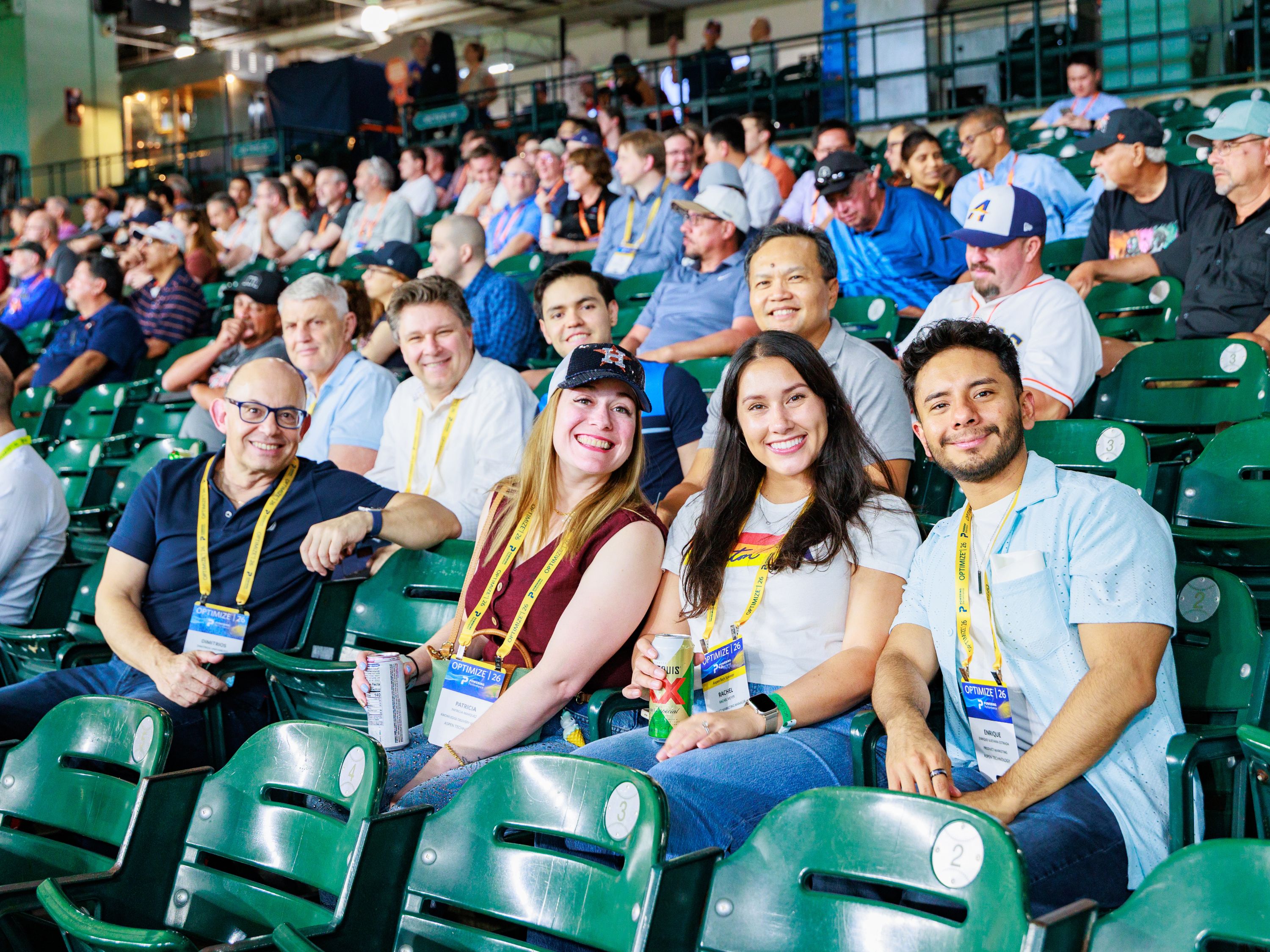
Free snacks and swag bags alone don’t build culture. Many companies invest heavily in events, yet fail to see ongoing engagement or meaningful impact. Events can fall flat when they lack purpose. Casual happy hours and giveaways entertain, but don’t create meaningful engagement or cultural impact. True engagement requires more than entertainment — it requires purpose. Each event should be thoughtfully curated with a strategy, objectives, and experiences that resonate with employees.
Engaged employees drive better results, higher productivity, lower turnover, and stronger performance. But not all events achieve this. The key is intention. Engagement-focused events connect employees, reinforce culture, and support business goals. They go beyond perks or entertainment to create experiences that encourage engagement and create a memorable experience.
Events that fail to tailor content to different departments or roles often leave employees disengaged. Generic speakers or sessions with little relevance can make participants feel disconnected, reducing the overall impact of the event.
Cramming too much into a schedule leaves no room for organic conversation, which can leave employees feeling uninspired.
Icebreakers or activities that feel inauthentic can backfire, making employees uncomfortable rather than connected.
Even great events lose momentum without actionable takeaways or ways to measure impact.
Avoiding these mistakes helps create employee events that are meaningful, engaging, and support company culture.
Successful events start with a clear purpose. Are you aiming for alignment, recognition, innovation, or a mix? Defining this upfront guides every decision from content and activities to speakers and timing. Set measurable goals to track success through engagement metrics, feedback, and surveys. Establishing goals and metrics at the outset helps make your event intentional, strategic, and impactful.
Employee engagement events are most impactful when leaders are visible and approachable. One key way to achieve this is through transparent Q&A sessions where employees can ask candid questions and hear honest answers. This builds trust and shows that leadership values open dialogue.
It’s equally important to foster real conversations rather than scripted speeches. When executives speak off-the-cuff and share authentic experiences, it resonates far more than a polished presentation ever could.
Long lectures can leave employees disengaged. Instead, prioritize interactive formats that involve participants directly. Some ways to implement this include:

Recognition is more than a simple “thank you.” Generic praise often falls flat, but peer-nominated awards put the spotlight on contributions that matter, allowing colleagues to celebrate one another’s achievements. When recognition is intentional and meaningful, it resonates deeper with employees, reinforcing culture, motivation, and engagement long after the event ends.
A successful event is about more than content — the environment matters just as much. Branded spaces reinforce culture, while comfortable layouts make attendees feel welcome. The physical space shapes energy and interaction, so every detail is designed to support engagement and create a memorable, impactful experience.
One of the most powerful outcomes of any employee engagement event is fostering connections across teams. Employees who interact with colleagues outside their usual circles gain new perspectives, spark collaboration, and strengthen the company culture.
Structured networking sessions ensure everyone has the opportunity to meet and engage with new faces, while rotating seating arrangements keep conversations fresh and encourage broader interaction. Purposeful team-building activities go beyond fun, they also create shared experiences that build trust, problem-solving skills, and camaraderie. By designing events with opportunities to connect, companies can cultivate relationships where there might not have been.
Post-event continuity ensures the energy, insights, and engagement generated during the event keep going after it ends. Survey employees to gather feedback, ideas, and priorities that matter most to them These insights can help shape future initiatives or decisions. Clear communication of next steps is important so employees know how to apply what they’ve learned, continue collaborating, or act on new ideas.
Not every engagement event should look the same — purpose, audience, and desired outcome all vary.
Tailoring events to their purpose ensures every gathering is engaging, meaningful, and impactful.
Measure the success of your events with clear, actionable metrics like:
By tracking these key indicators, you can position events as strategic investments, not just expenses, proving their real impact on culture, engagement, and business outcomes.
Employee engagement doesn’t happen because people are in the same room. It happens because the experience was intentionally built to connect, inspire, and empower them.
Strategy First: Every decision supports your business objectives—not just the event experience.
Metrics That Matter: We define success upfront and provide the data to prove it.
Long-Term Momentum: We design events to create value well beyond the event itself.
True Partnership: We become an extension of your team — your culture, your goals, your voice.
A Partner Who Comes Prepared: More than planners, we're strategic advisors who bring ideas, guide decisions, and keep stakeholders aligned.
Two ways to work with us.
Singular Events: One high-stakes moment — a product launch, leadership summit, annual gala, or client conference — executed with precision and purpose. We make sure it delivers well after the last guest leaves.
Enterprise-Wide Programs: A full calendar of events, aligned to a single strategic vision. We audit, organize, and optimize your entire events portfolio so every activation compounds on the last.



This is an FAQ accordion
This is an FAQ accordion
This is an FAQ accordion
.svg)